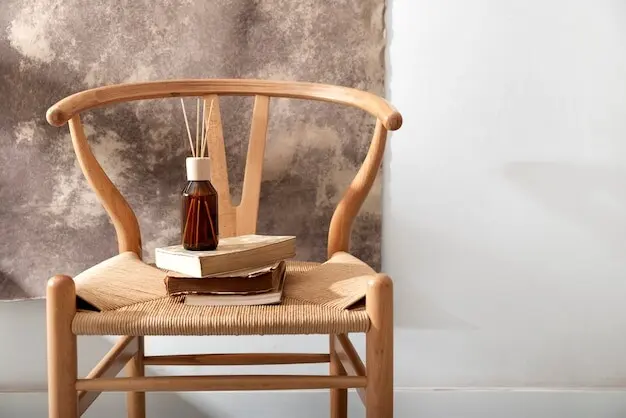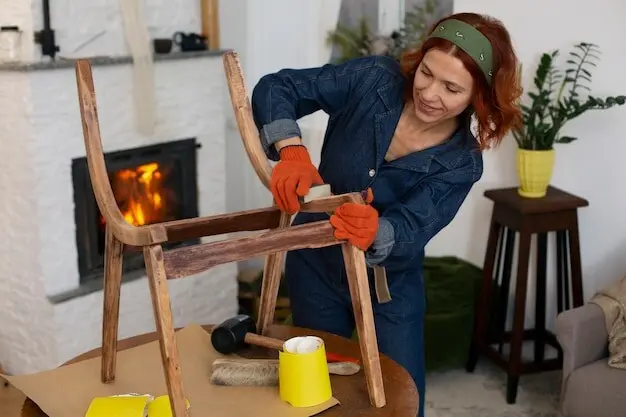

Wood That Breathes
Keep relative humidity near 40–60 percent to reduce cracks or warping. Dust with a barely damp microfiber cloth, following the grain. Feed tired finishes with beeswax or hardwax oil, testing in an inconspicuous spot first. Avoid silicone polishes; they complicate future refinishing. Lift, never drag, heavy pieces. Small, regular kindnesses make heirloom durability feel pleasingly ordinary and fully achievable.
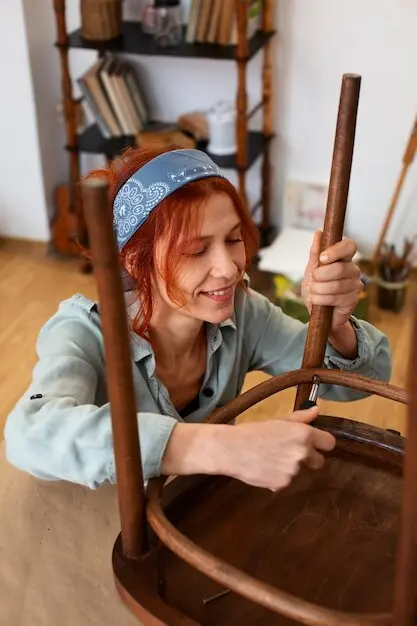
Fabric That Lasts
Vacuum upholstery weekly with a soft brush to remove abrasive grit that ages fibers. Rotate cushions, flip when possible, and spot clean with diluted castile soap. For removable covers, cold wash in gentle cycles and line dry. Protect from direct midday sun, or use breathable throws seasonally. These habits save color, retain loft, and delay reupholstery, preserving stories stitched into seams.
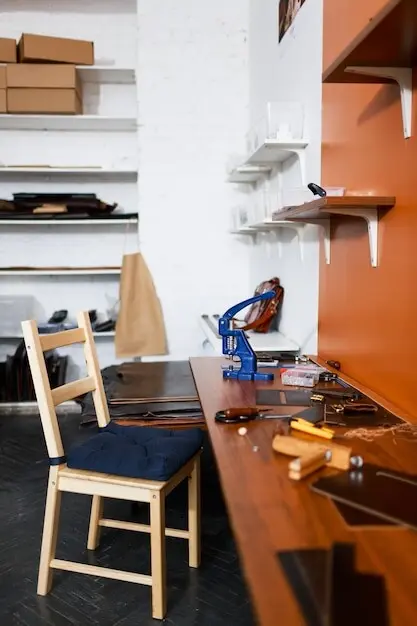
Hardware That Behaves
Squeaky hinges and wobbly pulls signal preventable strain. Tighten screws gently with the correct driver, add thread locker sparingly, and wax drawer runners with paraffin for smooth travel. Lubricate hinges with a drop of plant-safe oil. Label baggies of spare fasteners. Functional hardware reduces wear elsewhere, keeps doors aligned, and restores that satisfying, quietly confident feel to daily touchpoints.


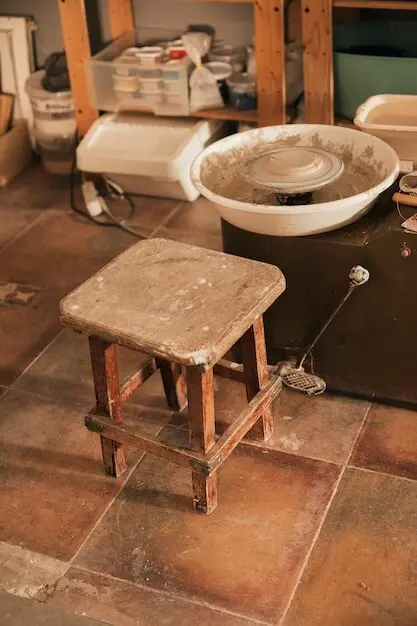
The Table That Traveled
Found at a farm auction, a maple table arrived with coffee rings and carved initials. Sanding only the top, leaving edges history-rich, we finished with hardwax oil. Now it hosts pasta nights and homework marathons. Each re-oil restores luster, preserves character, and proves that careful care outperforms perfectionism while honoring every hand that touched it before ours.
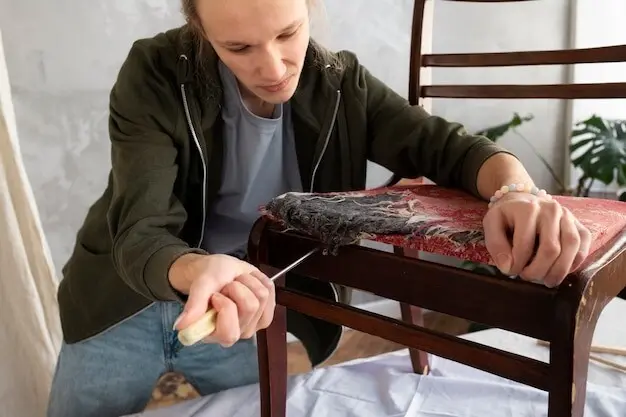
A Chair’s Comeback
A sagging thrifted lounge chair earned new webbing, a wool remnant cushion, and linseed oil on arms. The work took one afternoon plus curing time, saving the frame from disposal. Today, sunlight rakes across refreshed grain, and guests choose it first. Its comfort tells a generous story: patience, small skills, and trusted materials can lift an overlooked piece into daily grace.

Shelves that Grew with a Child
Modular pine shelves began at floor height for board books, later climbing the wall for science kits. We preserved knots, softened corners, and used waterborne varnish for durability. Annual tightening and a light scuff-sand keep them fresh. The shelves mature alongside curiosity, demonstrating how adaptable design and caring routines nurture both learning and a long, resource-conscious product life.