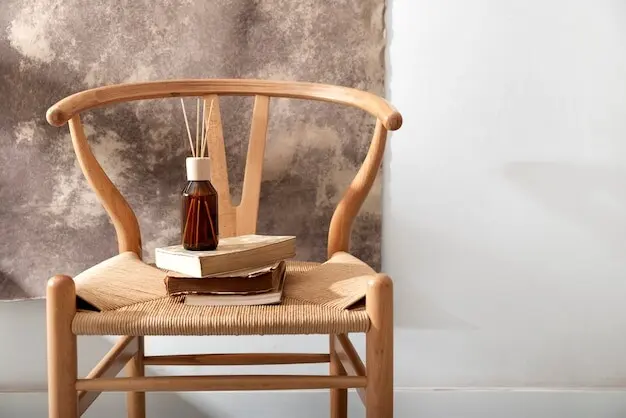
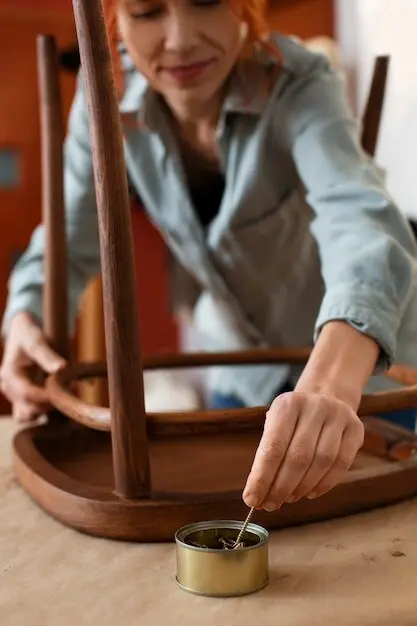
Revive, Repair, Reconnect: Furnishings Brought Back to Life

Step into Repair Culture at Home: DIY Restoration and Community Fix-It Events for Furnishings, where practical ingenuity meets neighborly generosity. Learn to steady wobbly chairs, refresh finishes, replace tired fabrics, and celebrate the shared joy of mending. Together we’ll reduce waste, save money, pass along confidence-building skills, and keep cherished pieces working beautifully for many more meaningful years in daily use.

Start Smart: Tools, Safety, and a Calm Workspace

Every successful restoration begins with preparation that lowers stress and raises satisfaction. Gather dependable tools, clear a steady surface, protect your lungs and eyes, and create a step-by-step plan. Good lighting, labeled containers, and measured patience prevent avoidable mistakes, while a small practice board, spare screws, and sample finishes help you test ideas before touching your heirloom or favorite thrifted treasure.

Reading the Piece: Assessment, Planning, and Honest Decisions

Before you fix anything, learn to see what the furniture is telling you. Identify loose joinery, surface wear, hidden water damage, or prior sloppy repairs. Decide whether to restore faithfully, refresh sensitively, or fully refinish. Prioritize structural integrity over cosmetics, photograph every angle, and map a sequence that respects materials, available time, your skill level, and the piece’s emotional or historical significance.

Joinery Clues and Movement Over the Seasons

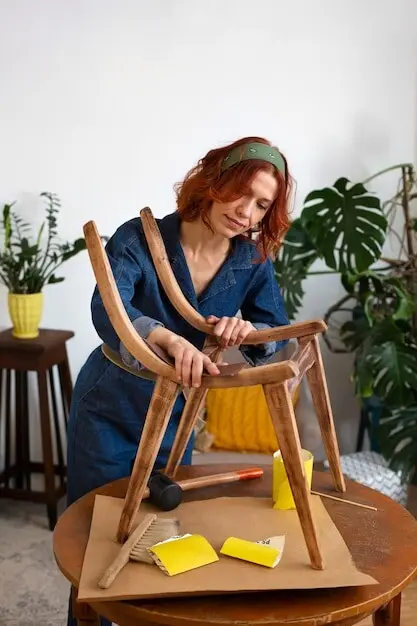
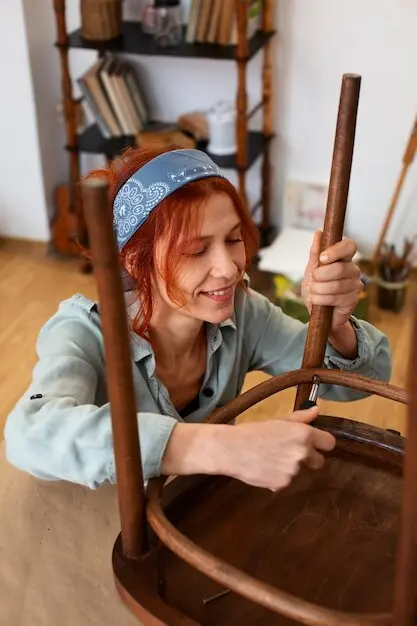
Mortise-and-tenon joints often fail gracefully yet repair beautifully with proper clamping pressure and fresh glue. Dovetails typically announce looseness through shifting drawers. Consider wood movement between humid summers and dry winters, allowing room for panels to breathe. Straighten before strengthening, and only then beautify. When hardware masks structural fatigue, address the core issue rather than tightening a decorative distraction.

When to Repair, Refresh, or Completely Refinish

A gentle refresh preserves patina and stories, perfect for well-loved heirlooms. Full refinishing suits pieces with deep stains, flaking varnish, or mixed finishes beyond spot repair. Repair when a few joints or hardware parts fail yet the body remains strong. Your decision balances time, sentiment, resale value, and the integrity of original craftsmanship, always honoring durability and daily usability.

Document, Label, and Plan Your Route to Success

Take photos before every disassembly step, then bag and label screws and hinges by location. Sketch measurements, angles, and finish combinations to avoid guesswork later. Set realistic milestones for cleaning, structural fixes, surface prep, and coatings. Build in drying or curing buffers so you never rush critical gluing or finishing stages that determine long-term stability, sheen, and everyday satisfaction.

Wood, Fabric, and Metal: Core Skills That Pay Off
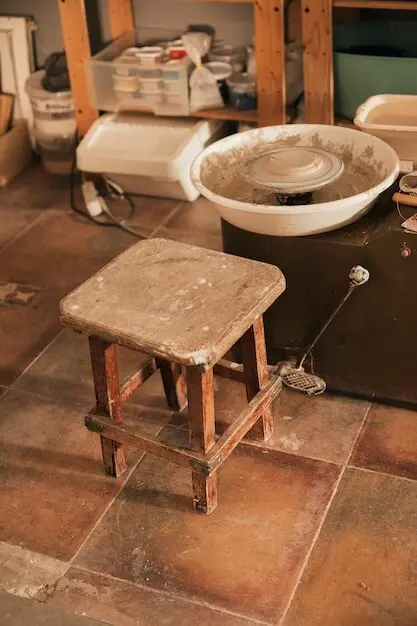
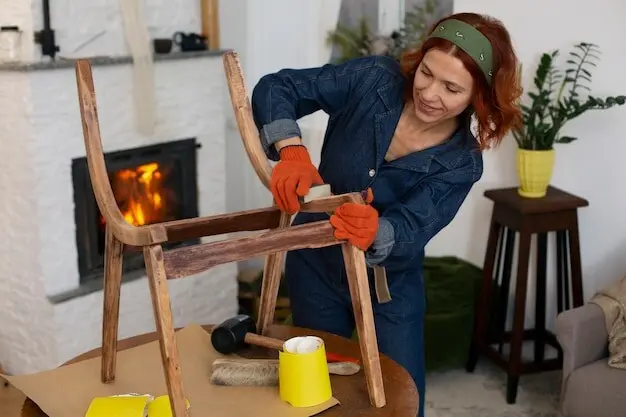
Repair Culture at Home thrives when you confidently patch chips, retighten joints, refresh cushions, and revive faded hardware. These foundational techniques turn scary unknowns into friendly steps. A careful hand, good preparation, and patient curing times make ordinary pieces sturdy, comfortable, and handsome again, proving that skill grows quickly when curiosity, guidance, and simple repetition work together.

Finishes and Color: Blending Old Character with Fresh Life

Surface choices steer mood, durability, and maintenance. Clean thoroughly, then test finishes on concealed spots. Tone down orange undertones with careful stain mixing, or celebrate grain with oil and wax. Painted pieces benefit from bonding primers and subtle sheen changes. Always layer thinly, sand lightly between coats, and stop before perfection erases the soulful character that makes a piece sing.

From Living Room to Library: Hosting Community Fix-It Gatherings

How to Organize an Event Everyone Enjoys

Pick a bright, ventilated space with sturdy tables and extension cords managed safely. Create stations for triage, wood repairs, fabric fixes, and finishing touch-ups. Provide labels, tape measures, and clamps at each station. Document repairs, track volunteer skills, and photograph transformations. End with a friendly circle, sharing lessons learned and scheduling the next gathering before energy fades.

Partners, Libraries, and Local Shops

Public libraries, maker spaces, hardware stores, and neighborhood associations often lend rooms, promote calendars, and donate consumables. Invite retired carpenters, design students, and upholsterers to mentor participants. In return, highlight their expertise publicly. Shared purpose compounds momentum, while borrowed equipment and donated supplies make inclusive access possible, lowering barriers so newcomers feel welcome and supported from the very first repair.

Welcoming Every Skill Level With Care

Beginner tables should feature low-risk wins: chair pads, drawer knobs, felt feet, and tightening stretchers. Intermediate areas can tackle glue-ups and light refinishing. Advanced volunteers handle structural fixes and tricky finishes. Clear signage and friendly greeters reduce jitters. Celebrate process over perfection, praising patience, curiosity, and safe habits that sustain confidence long after the last clamp is released.

Why It Matters: Budget, Belonging, and the Environment

Repair Culture at Home transforms waste into worth. Repaired furnishings avoid landfill journeys, save scarce resources, and stretch household budgets. More surprisingly, mending builds belonging: people learn together, trade stories, and adopt a mindset of care. The result is durable comfort, resilient communities, and practical stewardship that keeps beauty circulating where we actually live, read, work, and gather.

Real Savings You Can Feel

A simple reglue prevents buying a new chair; a weekend of patient sanding revives a coffee table; fresh webbing extends a sofa’s life by years. Spread across a home, these victories add up fast. Money retained supports experiences, education, and time, rather than rushed replacements that never quite carry the memories your restored pieces quietly protect.

Circular Habits, Smaller Footprints

Choosing repair reduces extraction, manufacturing emissions, and transport waste. Wood already harvested continues serving; metals and fabrics extend their useful life. Teaching neighbors multiplies the effect across households. When we delight in longevity, local skill ecosystems grow, and the invisible costs of fast furniture shrink. That shift feels empowering, practical, and genuinely hopeful for everyday living.

Stories That Inspire: Real Repairs, Real Joy

Nothing convinces like lived experience. A rescued yard-sale chair becomes a child’s favorite reading perch. A scratched table hosts holiday meals after quiet evenings of sanding and stain testing. A community shop night saves six wobbly seats and sparks three friendships. You can start small, learn gently, and still create change that echoes room by room.

Grandma’s Table Finds Its Voice Again

A family sanded carefully, preserving dings that mark decades of laughter, then toned down a blotchy finish with a warm, forgiving wipe-on blend. New felt pads, leveled feet, and re-waxed runners welcomed board games without wobble. Now, every meal remembers a story, and every story remembers the loving hands that patiently brought quiet strength back.

The Thrifted Armchair With Secret Potential
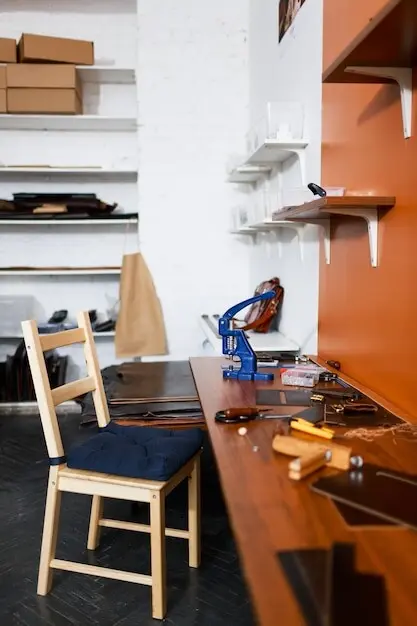
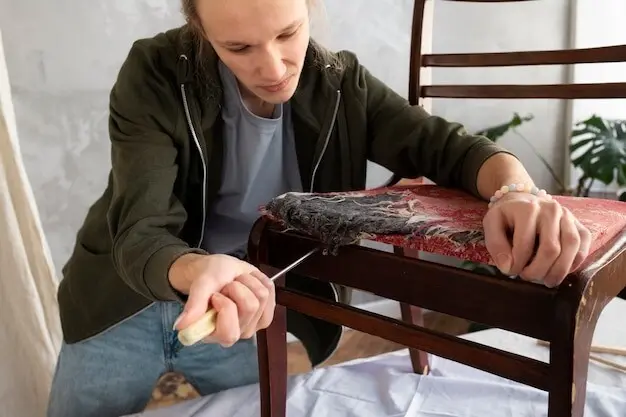
Under frayed fabric lay sturdy hardwood arms. Webbing replacement, fresh foam, and a textured, stain-resistant textile transformed comfort. A neighbor taught blind stitching; another shared a staple-removal trick. The chair returned home taller in spirit, where evening reading, tea steam, and a small lamp now honor a tiny budget and a wildly generous neighborhood.

Keep the Momentum: Share, Learn, and Grow Together
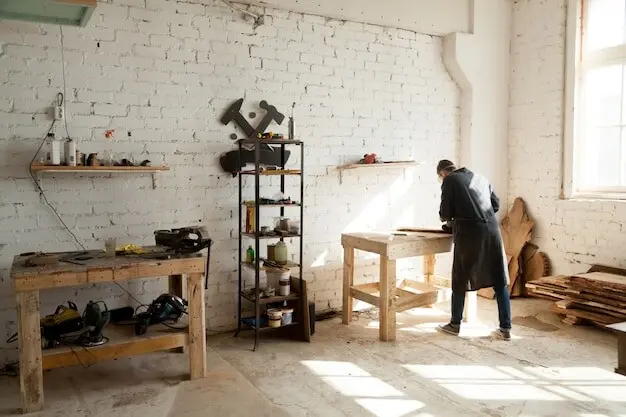
Skill deepens when we document, reflect, and invite others to try. Share before-and-after photos, celebrate partial progress, and ask thoughtful questions. Host mini sessions about glue choices, fabric durability, or finish maintenance. Subscribe for fresh ideas, contribute your hard-earned tips, and help this growing circle keep useful, beautiful furnishings in service where people live, love, study, and rest.
Vazuzakohatitulufoki
Privacy Overview

This website uses cookies so that we can provide you with the best user experience possible. Cookie information is stored in your browser and performs functions such as recognising you when you return to our website and helping our team to understand which sections of the website you find most interesting and useful.